.svg)
+41 44 527 30 40
Coughing is common and can be very annoying and persistent, but fortunately, it rarely indicates anything serious.


Cough syrup is often ineffective; according to studies (including large-scale research), it doesn't work at all. Children over the age of one can take a teaspoon of honey before bedtime; honey contains substances called inhibines that suppress cough receptors in the throat. These inhibines are destroyed by heat, so avoid adding honey to hot milk. Studies suggest that honey is the most effective remedy for coughs in children.
Children should drink plenty of fluids to keep the mucus that needs to be coughed up thin. Good nasal care with sea salt nasal spray is recommended, as well as a well-ventilated room for sleeping, with the upper body slightly elevated. Be generous with pain relievers; a dry cough can be painful. A glass of cold water can also help interrupt a coughing fit. As a home remedy, you can place a sliced onion next to the bed; the vapors have a soothing effect.
If the child is breathing rapidly and heavily or has a wheezing sound, we recommend a check-up by a pediatrician.
A distinct and unmistakable type of cough is known as croup: children make a characteristic hoarse sound when inhaling. It usually starts in the early morning hours, even if the child was in perfect health the day before.
Croup is a viral illness that is often self-limiting.
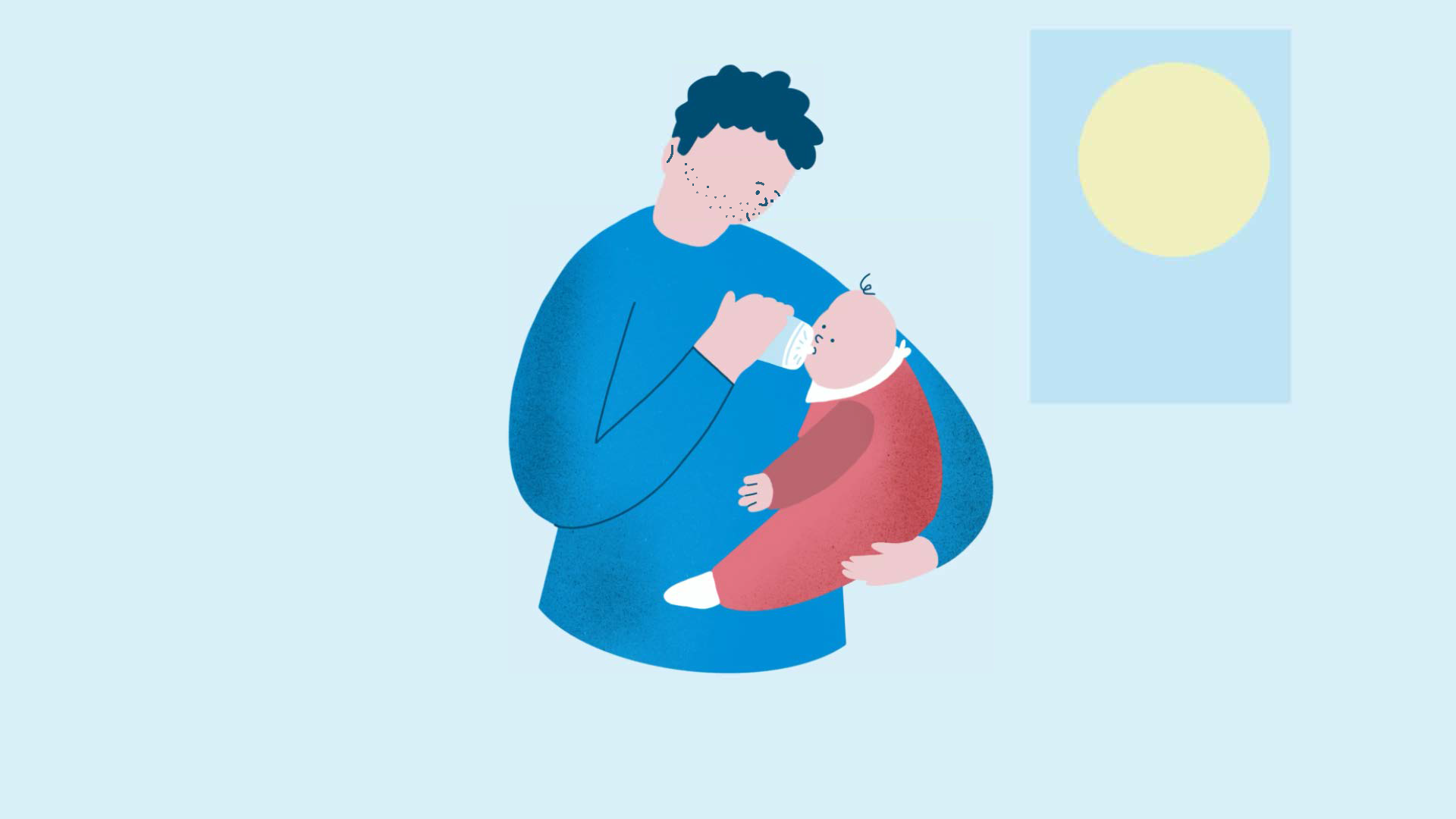
Children wake up experiencing shortness of breath. It is important to stay calm yourself first to help ease the anxious child's fear. Sit by an open window with the child on your lap so they can breathe in the cool air calmly. Alternatively, turn on the shower with hot water, sit nearby, and inhale the steam with your child.
Give ibuprofen (Algifor), which is anti-inflammatory, reduces swelling, and relieves pain caused by coughing. Try to offer them cold water to drink.
There are prescription cortisone products available, though they take 1-2 hours to take effect.
If the shortness of breath persists, you must take your child to an emergency department. In very life-threatening cases, call an ambulance.
If your child has a very high fever and seems sicker than ever before, you should seek immediate care at a pediatric emergency department, especially if their vaccination status is incomplete.

%204.png)



.jpeg)




.jpeg)