.svg)
+41 44 527 30 40
What should you do if your child has vomiting and/or diarrhea?

Gastrointestinal infections contracted in our latitudes are usually viral and self-limiting. There is no need
and no way to administer medication against the pathogen. However, children, and especially infants, can lose a great deal of fluid through vomiting or diarrhea, causing them to become increasingly weak
and starting a kind of vicious cycle.
In childhood, there is no highly effective medication that can be given at home for vomiting or diarrhea. You may give paracetamol (orally or as a suppository) for stomach pain. Be careful with ibuprofen if the child has not been able to keep much fluid down, as the medication is metabolized by the kidneys.
If your child has vomited a few times or has had watery and foul-smelling diarrhea, offer them drinks such as sweetened tea or water. Infants may also have milk; breast milk in particular is a good choice. Eating is not
important in the acute stage.
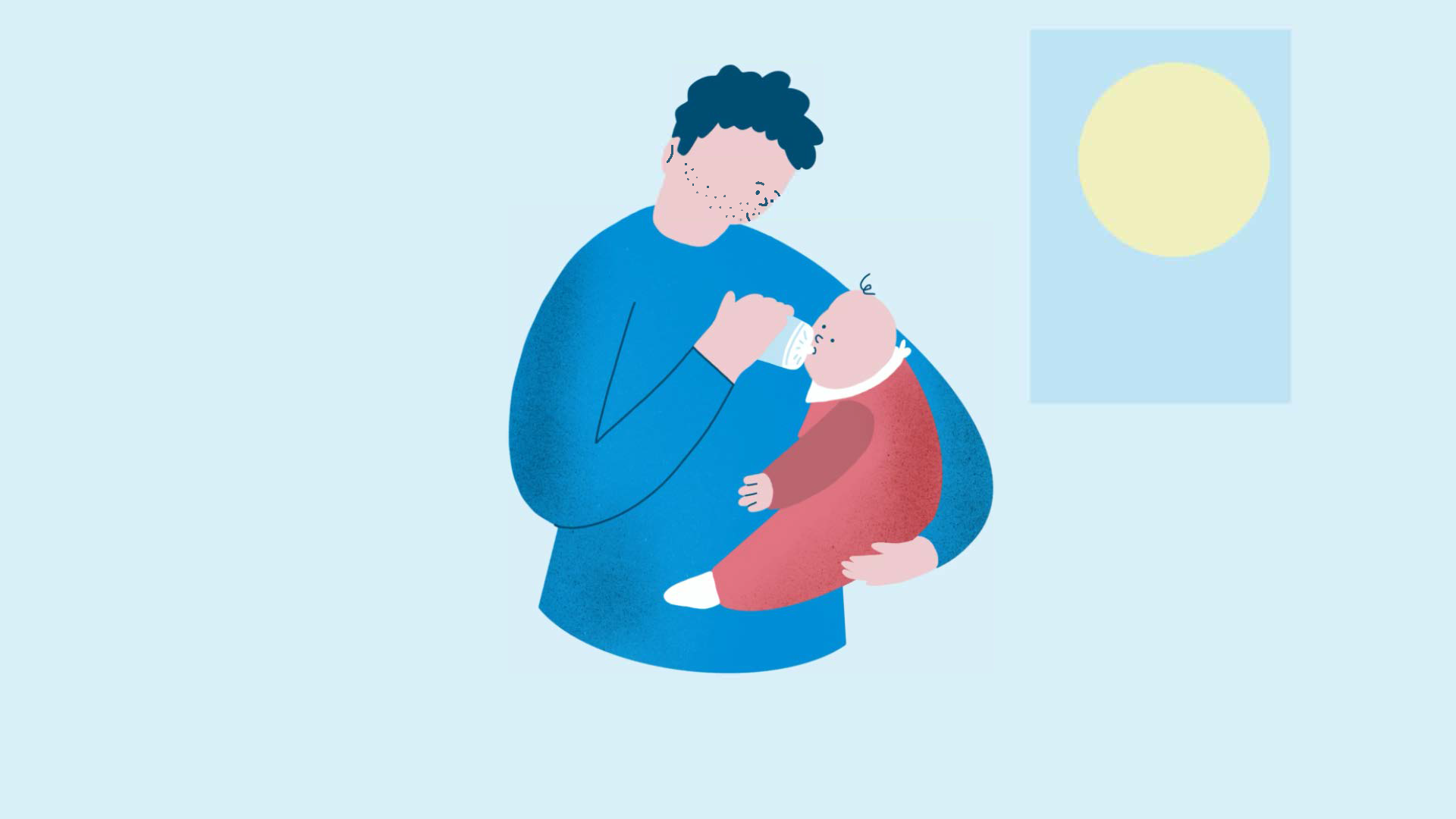
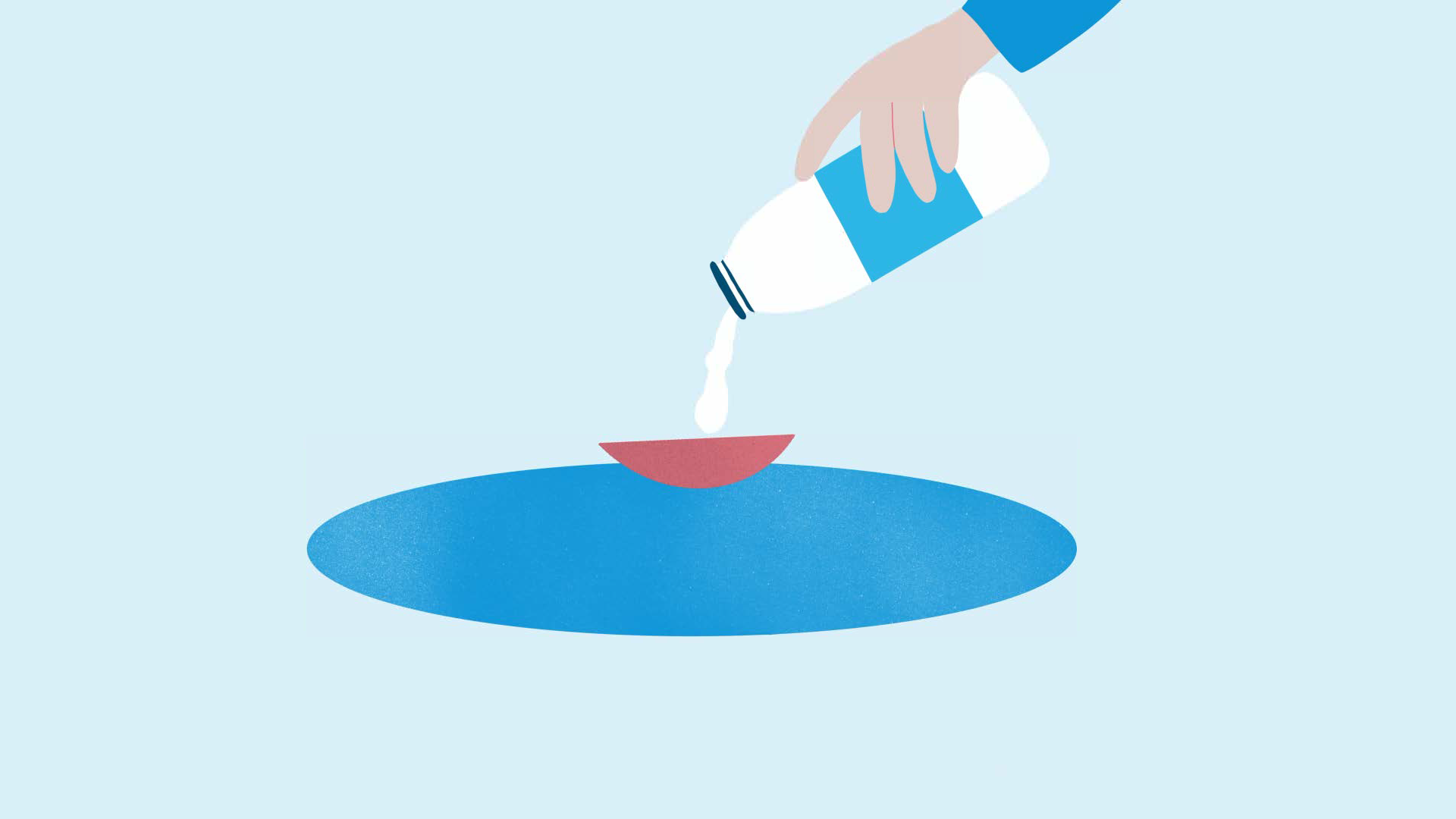
If the child has vomited many times, offer them fluids only very slowly. Ideally, use a rehydration solution
(salt-sugar solution), which is available at the pharmacy and helps your child provides exactly what is needed now. Offering it slowly means: one teaspoon per minute. Offering it chilled from the fridge is often a good
tip. After another episode of vomiting, take a short break and then slowly continue. If the diarrhea is bloody, if the child does not want to or cannot consume anything anymore and refuses drinks, has had hardly any wet diapers in the last few hours, no longer produces tears when crying, is vomiting green bile, or if the abdominal pain is too severe, then you should have your child examined by a pediatrician.

%204.png)
.jpeg)


.jpeg)